

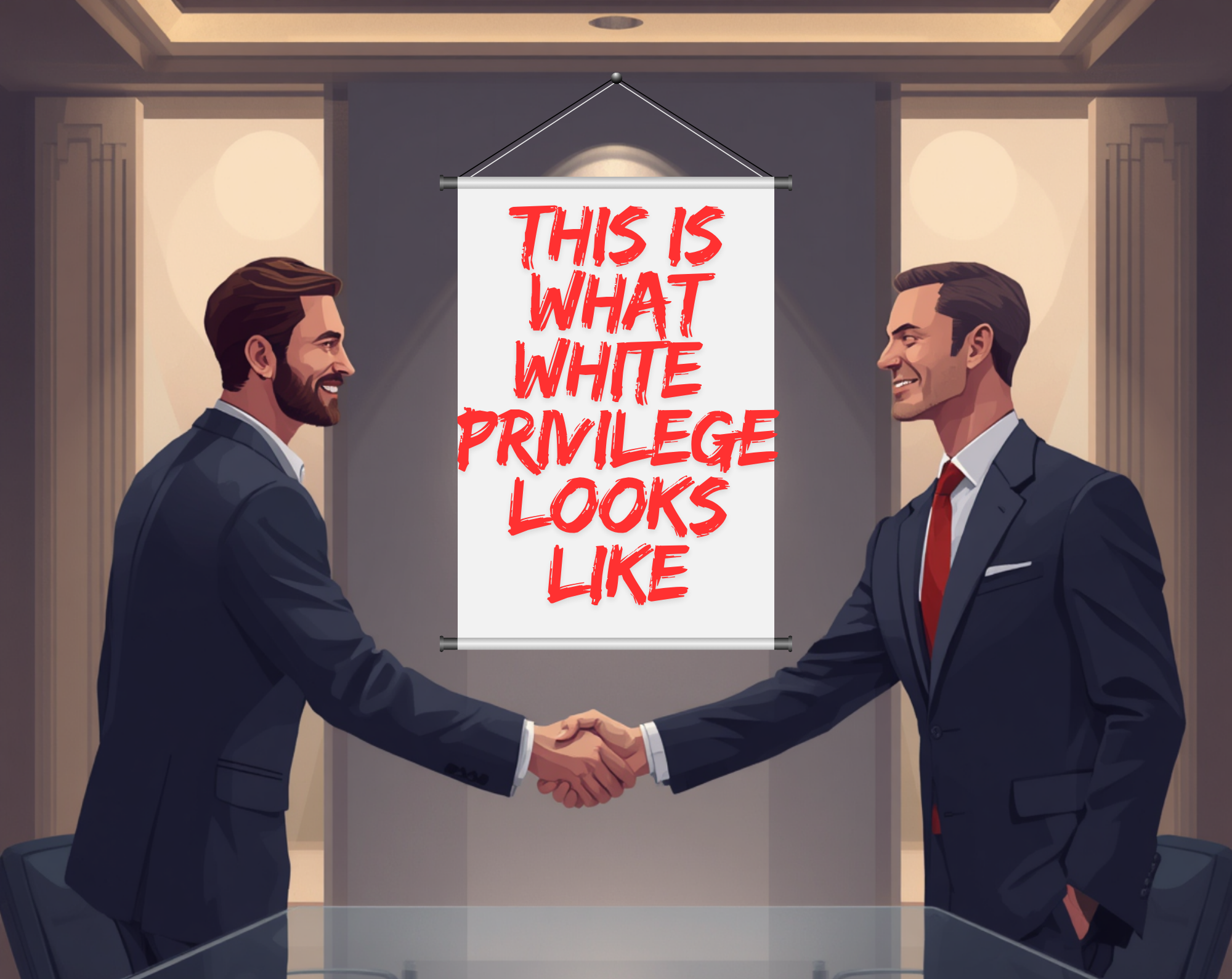
The case of teenager Karmelo Anthony, who received a 35‑year prison sentence for murder, highlights how the U.S. criminal justice system treats young Black defendants—within a society shaped by white privilege. This case proves that Blacks are often charged more harshly, tried as adults more frequently, and sentenced more severely than their white peers for comparable offenses. These disparities do not imply that individuals should not be held accountable for serious crimes; instead, they reveal how systemic forces shape legal outcomes long before a sentence is handed down. In this article, we will define white privilege, its origins, and its effects on black people.
What is White Privilege?
White privilege is a term that has gained significant attention in discussions surrounding racial justice and equality. It is the unearned social advantages that white people receive simply because of their race. These advantages show up in education, employment, housing, and law enforcement, and sometimes in ways that are invisible to white people. White privilege does not imply that all white people are wealthy or do not face hardships. Instead highlights that white people are positioned to receive advantages within social, economic, and institutional settings.

The Origin
White Privilege can be traced back centuries, particularly in the United States. European empires established racial orders that privileged white people, and these advantages continue in present-day institutions and social norms. Feminist scholar Peggy McIntosh, in her 1988 paper “White Privilege and Male Privilege, described white privilege as an “invisible package of unearned assets” that white people can count on daily.
The Civil Rights Movement of the 1950s and 1960s made significant strides toward racial equality. But the structural traces of racism and unequal advantage persisted over time because the roots of white privilege are deeply embedded in the legacy of colonialism, slavery, and systemic racism. Many white individuals continue to benefit from societal structures that favor their race, often unconsciously.

Examples of White Privilege
- Presumption of Innocence: In many situations, white individuals are often presumed innocent until proven guilty. This is particularly evident in law enforcement encounters, where black individuals may face increased suspicion and scrutiny. For instance, studies have shown that black people are more likely to be stopped, searched, and arrested than their white counterparts.
- Representation in Media: White individuals are frequently represented in media and popular culture, which provides them with relatable figures and narratives. On the other hand, black individuals are underrepresented or misrepresented.
- Access to Quality Education: White privilege is also in the education system. Schools in predominantly white neighborhoods often receive more funding and resources, leading to better educational outcomes. On the other hand, schools in predominantly black neighborhoods may lack essential resources.
- Networking Opportunities: In professional settings, white individuals benefit from a network of connections that can help them secure jobs and promotions. These networks may not be available to black individuals, who face barriers in accessing mentorship and career advancement opportunities.
- Freedom from Racial Profiling: White individuals can navigate public spaces without the fear of being racially profiled. In contrast, black individuals experience heightened scrutiny and suspicion based on their skin color.

The Effects of White Privilege on Black People
White privilege deeply influences Black communities and systemic inequities and reinforces social hierarchies. These effects include:
- Economic Disparities: The advantages associated with white privilege contribute to significant wealth gaps between white and black households. Discriminatory practices such as redlining and employment discrimination have limited black individuals’ ability to accumulate wealth, leading to ongoing economic hardship.
- Mental Health Challenges: The constant experience of racism and discrimination takes a toll on the mental health of black individuals. The stress associated with navigating a society that often devalues their existence can lead to anxiety, depression, and other mental health issues.
- Social Division: White privilege creates divisions within society, creating an “us vs. them” mentality. This division hinder social cohesion and prevents meaningful dialogue about race and inequality. It also leads to resentment and misunderstanding between racial groups.
- Limited Opportunities: The systemic barriers created by white privilege restrict access to opportunities for black individuals in various areas, including education, employment, and housing. This lack of access causes cycles of poverty and limits the potential for socioeconomic advancement.
- Cultural Appropriation and Misrepresentation: The privilege enjoyed by white individuals can lead to cultural appropriation, where black culture is adopted without understanding or respect for its significance. This further marginalizes black voices and diminishes the visibility and preservation of their cultural heritage.

Conclusion
White privilege is a complicated issue that stems from past injustices and ongoing systemic inequality. Understanding its origin—and how it shows up today—is essential for creating honest, more compassionate conversations about race and equality. By admitting that white people have more advantages because of their skin color, Individuals can tear down the systems that uphold inequality. The case of 17-year-old Carmelo Anthony serves as an example of how white privilege operates within our nation, emphasizing reform and continued advocacy.
In 1961, President John F. Kennedy passed a policy to reduce the effects of white privilege called affirmative action to ensure fair employment without discrimination. DEI, Diversity , Equity, and Inclusion, was designed to promote fairness and reduce discrimination. The 45th and 47th president has taken major steps to eliminate and restrict DEI programs across the federal government, federal contractors, and educational institutions.
To learn more about white privilege, click here to watch video https://www.youtube.com/watch?v=4I84jxCNsmo
To read more articles from The Write Genius, click https://thewritegenius.com/blog/