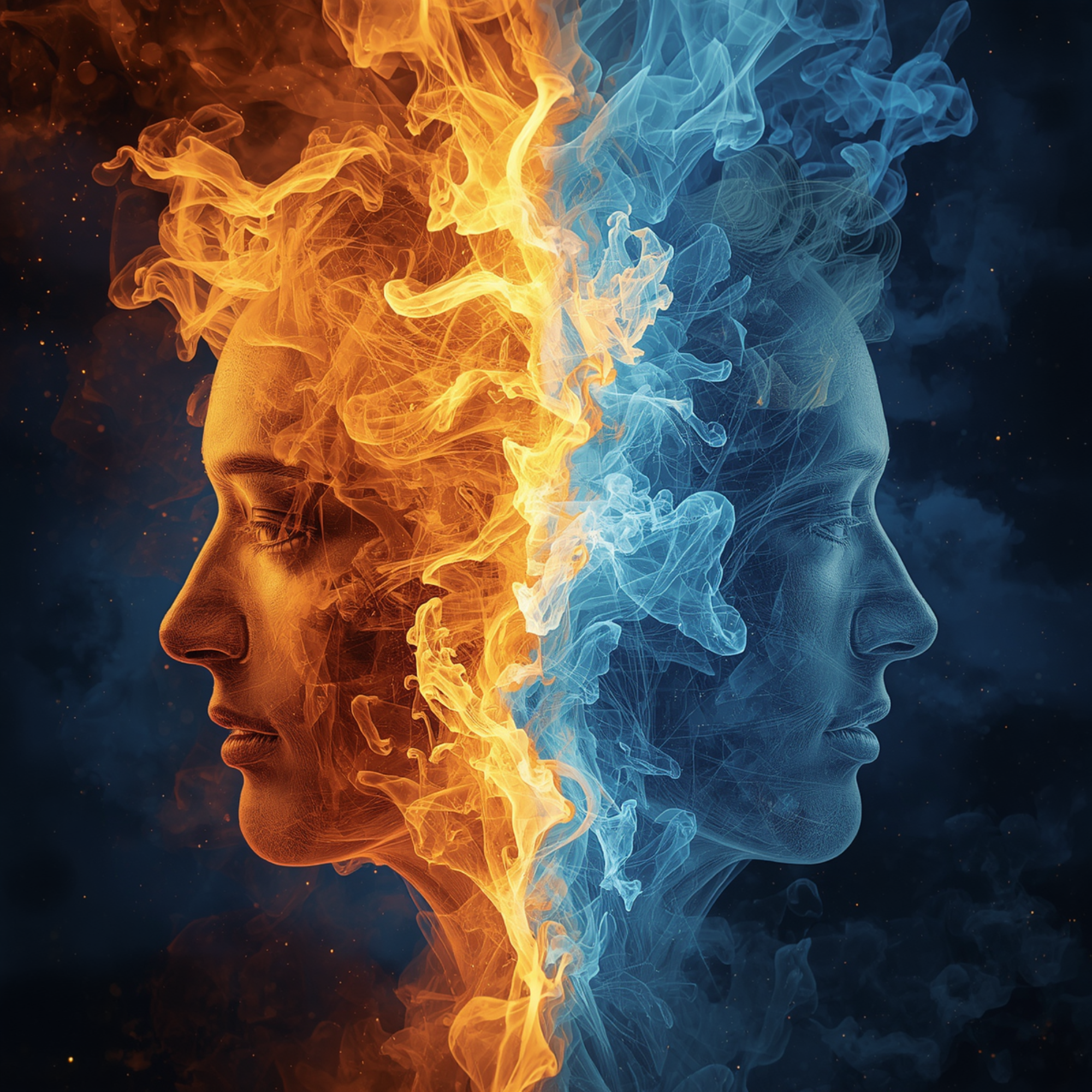
June is celebrated as Pride Month, a significant time dedicated to honoring the LGBTQ+ community and their ongoing struggle for equality. Pride Month encourages a harmonious blend of both feminine and masculine energy, challenges societal stereotypes, and promotes the idea that everyone embodies these energies from both ends of the spectrum.
This leads to the discussion about gender identity and expression. Not as strict gender labels, but as qualities anyone can tap into, no matter who they are. Understanding feminine and masculine energy can shed light on why some men embody traits associated with femininity and why some women exhibit traits linked with masculinity. Here are the characteristics and the factors influencing their expression in individuals, regardless of gender.

Defining Feminine and Masculine Energy
Feminine and masculine energies include a spectrum of characteristics, qualities, and traits culturally associated with women and men. However, it’s important to note that these energies are not tied to biological sex. Instead, they reflect a broad range of human experiences and attributes.
Feminine Energy is often associated with qualities such as:
- Nurturing: a natural tendency to nurture others and build meaningful connections.
- Intuition: A strong sense of inner knowing and emotional awareness.
- Creativity: An ability to think outside the box and express oneself artistically.
- Empathy: A deep understanding and sharing of the feelings of others.
- Receptivity: Openness to receiving, whether it be ideas, love, or support.
Masculine Energy, on the other hand, typically encompasses traits such as:
- Assertiveness: A tendency to take action and lead decisively.
- Logic: A focus on rationality and analytical thinking.
- Strength: Physical or emotional resilience and a sense of protectiveness.
- Independence: A desire for autonomy and self-sufficiency.
- Goal-oriented: A drive to achieve objectives and make progress.

Although these traits are often framed as opposites, both forms of energy exist within every person, regardless of gender. It is the balance of these energies that contributes to a person’s unique identity and how they navigate the world.
Gender Expression and Energy Presentation
As society evolves, so does the understanding of gender expression. Many people now recognize that gender is not a fixed binary but rather a fluid spectrum. This shift has opened the door for individuals to express their gender identities in ways that feel most authentic to them.
Some men may present themselves with qualities traditionally associated with feminine energy for various reasons:
- Personal Authenticity: For some men, embracing feminine traits helps them stay true to themselves. This authenticity can lead to greater personal fulfillment and emotional well-being.
- Cultural Influence: In certain cultures or communities, there is a growing acceptance of diverse gender expressions. Men may feel encouraged to express their nurturing, creative, or empathetic sides without fear of judgment.
- Breaking Stereotypes: Some men actively choose to challenge traditional gender norms. By embodying traits typically viewed as feminine, they seek to deconstruct societal expectations and promote a more inclusive understanding of masculinity.

On the other hand, women may embody masculine energy for similar reasons:
- Empowerment: For many women, embracing assertiveness, independence, and logical thinking can be empowering. It allows them to navigate spaces traditionally dominated by men and assert their place in society.
- Career and Leadership Roles: In professional settings, women may adopt traits associated with masculine energy to succeed. Being decisive and goal-oriented can be crucial in leadership positions.
- Personal Identity: Just as with men, some women may find that their true selves resonate more with traits typically labeled as masculine. Embracing this energy can lead to a more fulfilling life.
The Impact of Societal Norms
Societal norms play a significant role in how individuals express their feminine and masculine energies. Old‑school ideas dictate what men and women are “supposed” to do, leaving people feeling boxed in and unable to express who they really are.
For instance, men may feel pressured to conform to a definition of masculinity that emphasizes stoicism and emotional suppression. Conversely, women may be socialized to prioritize nurturing qualities and emotional expressiveness, sometimes at the expense of their ambitions or assertiveness.
As society changes, the stigma associated with non‑conformity gradually diminishes. This shift gives people more room to explore their energies without being boxed in by traditional gender roles.
The Balance of Feminine & Masculine Energy

Ultimately, the goal is to achieve a balance between feminine and masculine energies, regardless of gender. Embracing both sides can lead to a more holistic sense of self. Men who tap into their feminine energy often find themselves more open, connected, and emotionally grounded. Women who step into their masculine energy may discover a renewed sense of courage and strength when facing life’s challenges. When someone embraces every part of who they are, they live life more confidently and genuinely.
Conclusion
The difference between feminine energy and masculine energy is shaped by culture, personal experience, and the society we grow up in. Understanding these energies can help individuals navigate their identities and expressions more freely. As we continue to challenge traditional gender norms and embrace the fluidity of gender expression, we make room for a society that embraces people for who they really are. By recognizing and honoring both feminine and masculine energies within ourselves and others, we can learn to accept people for who they authentically are.
To learn more about feminine and masculine energy, visit https://www.drheatherfriedman.com/blog/balancing-the-feminine-and-masculine
To read more articles from The Write Genius, click https://thewritegenius.com/blog/